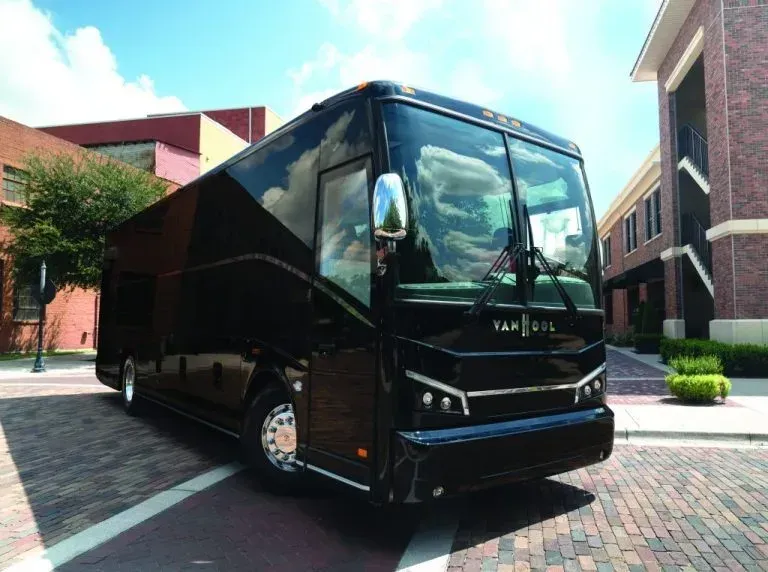
Managing transportation for a large group can rapidly become a complicated undertaking when numerous schedules, pickup plans, and travel expectations must be considered. Whether the event includes business functions, family occasions, group excursions, or special celebrations, making sure everyone arrives together and on schedule requires careful preparation. A well-organized transportation strategy helps eliminate confusion, reduces delays, and creates a more enjoyable experience for everyone involved. By recognizing the essential aspects of group transportation management, organizers can develop a smooth travel experience from start to finish.
When numerous travelers journey together, transportation extends beyond basic passenger movement between locations. It serves as an essential element of the overall occasion. Well-managed coordination assists with maintaining schedules, encouraging communication, and creating a more pleasant travel experience. At A1 Quality Express Limousine, we recognize the value of providing structured transportation solutions that allow groups to travel comfortably and confidently.
Begin Transportation Planning Early
Reliable group transportation starts with thoughtful preparation ahead of time. Delaying arrangements until the final stages can reduce available choices and make it harder to meet the group's unique requirements. Planners should start by identifying passenger counts, travel schedules, anticipated departure times, and destination needs. Securing these details ahead of time helps build an effective transportation strategy that supports the overall schedule.
Advance planning also allows time to identify potential challenges before they become problems. Transportation arrangements can be affected by traffic conditions, event timelines, pickup coordination, and accessibility requirements. By addressing these details ahead of time, organizers can develop a transportation strategy that keeps the group moving efficiently. Comprehensive planning frequently leads to more seamless travel experiences and fewer surprises.
Evaluate Group Size and Travel Requirements
One of the primary aspects of group transportation planning is determining passenger numbers and specific requirements. Correct passenger totals help planners choose suitable vehicles while avoiding capacity-related issues. Attendance estimates should be confirmed early and adjusted as necessary as arrangements progress.
Passenger counts are important, but personal requirements within the group should also be considered. Travelers may have varying requirements, including extra luggage space or specialized support services. Identifying these needs enables organizers to customize transportation solutions effectively. Carefully gathering complete information contributes to a more efficient and enjoyable travel experience for all participants.
Design a Well-Organized Transportation Schedule
A detailed transportation plan works as a reference point for everyone involved. Planners should specify departure schedules, pickup points, travel durations, arrival goals, and any scheduled stops. Well-structured scheduling minimizes confusion and ensures all participants know their exact timing and place. Maintaining clarity and consistency is crucial when coordinating transportation for large groups.
Communication is a key factor in ensuring schedules work effectively. Every passenger should receive transportation details well before the event begins. Sending itineraries through communication channels ensures all passengers remain updated. Well-defined expectations contribute to smoother and more efficient transportation execution.
Designate Centralized Gathering Locations
Working with many pickup locations can introduce avoidable challenges in coordination. When possible, coordinators should use unified pickup and drop-off points for participant convenience. Combining meeting points simplifies boarding procedures and reduces delays from multiple stops. It also simplifies communication and improves overall efficiency.
Central meeting points also help ensure all travelers are accounted for prior to departure. Team leaders can confirm group members, distribute information, and handle inquiries before departure. An organized system helps ensure readiness and schedule adherence. Well-defined meeting areas contribute to efficient and organized transportation.
Maintain Strong Communication Throughout Coordination
Good communication is one of the key components of coordinated group travel. Participants must be kept informed of schedules, instructions, and any adjustments. Reliable information ensures passengers can prepare without uncertainty. Effective communication enhances efficiency and improves passenger experience.
Organizers should establish reliable methods for sharing updates before and during the event. Group messaging systems, email notifications, and designated contact persons can help ensure information reaches all participants quickly. Throughout any effective transportation plan, communication acts as the central link keeping everyone aligned. Consistent updates help maintain confidence and minimize disruptions throughout the journey.
Prepare for Unexpected Situations
Even well-planned transportation schedules may face unforeseen situations. Traffic, weather, scheduling shifts, and participant delays can require rapid adjustments. Adding flexibility to plans helps coordinators respond efficiently to unexpected issues. Preparation increases resilience and supports smooth operations even when conditions change.
Preparedness get more info plans should incorporate communication backups and alternative arrangements. Prepared systems help reduce stress and maintain order during disruptions. Proactive strategies help maintain efficiency during necessary adjustments.
Prioritize Traveler Comfort and Ease
The comfort of travelers strongly influences the journey experience. Large groups often spend extended periods traveling together, making convenience and comfort important considerations. Comfortable seating, organized boarding procedures, and a well-managed travel environment help create a positive atmosphere throughout the journey. When passengers are comfortable, they tend to have a better experience and arrive ready.
Convenience also plays a key role in effective transportation planning. Simplified boarding processes, clear instructions, and efficient scheduling reduce unnecessary complications for passengers. When transportation is thoughtfully organized, travelers can focus on enjoying the event rather than worrying about logistics. Convenient travel arrangements support a more successful overall experience.
Work with Experienced Transportation Professionals
Transportation coordination for large groups includes many details, making professional help essential. Experienced teams are skilled in managing logistics and maintaining smooth operations. Their skills assist in managing logistics while keeping operations organized.
Professional providers contribute valuable knowledge that strengthens organization. Their understanding of group transport enables them to predict challenges and provide solutions. With professional help, organizers can focus on the event while logistics are managed with precision.
Include Transportation as an Event Component
Transportation functions best when integrated into the event experience. Well-coordinated transportation creates opportunities for participants to relax, connect, and begin enjoying the occasion before arriving at the destination. Effective transportation planning improves the overall experience and fosters a professional atmosphere.
At A1 Quality Express Limousine, we know that successful transportation is built on planning, communication, and service excellence. Organizing large-group transportation does not need to be overwhelming when proper strategies are applied. Strong organization and preparation create smooth journeys that support event success. We take pride in offering transportation solutions that support confident and stress-free travel.